

High-quality stamping die investments can give good returns for car makers. These dies help make parts more exact and work faster. But they cost a lot at first and need good planning. Companies should think about the costs now and the benefits later. They need to see if this fits their needs, quality rules, and future plans.
Key Takeaways
High-quality stamping dies help car parts fit better and look the same. This lowers mistakes and cuts down on waste.
These dies work for a long time. They help factories move faster and stop less. This saves money as time goes on.
Buying good dies costs more at first. It also takes longer to start making things.
Picking dies that are too fancy or using them for small jobs can cost more. This does not always help much.
You need to plan well and have skilled workers. This helps you get the most from high-quality stamping dies.
Stamping Die Overview
Definition and Features
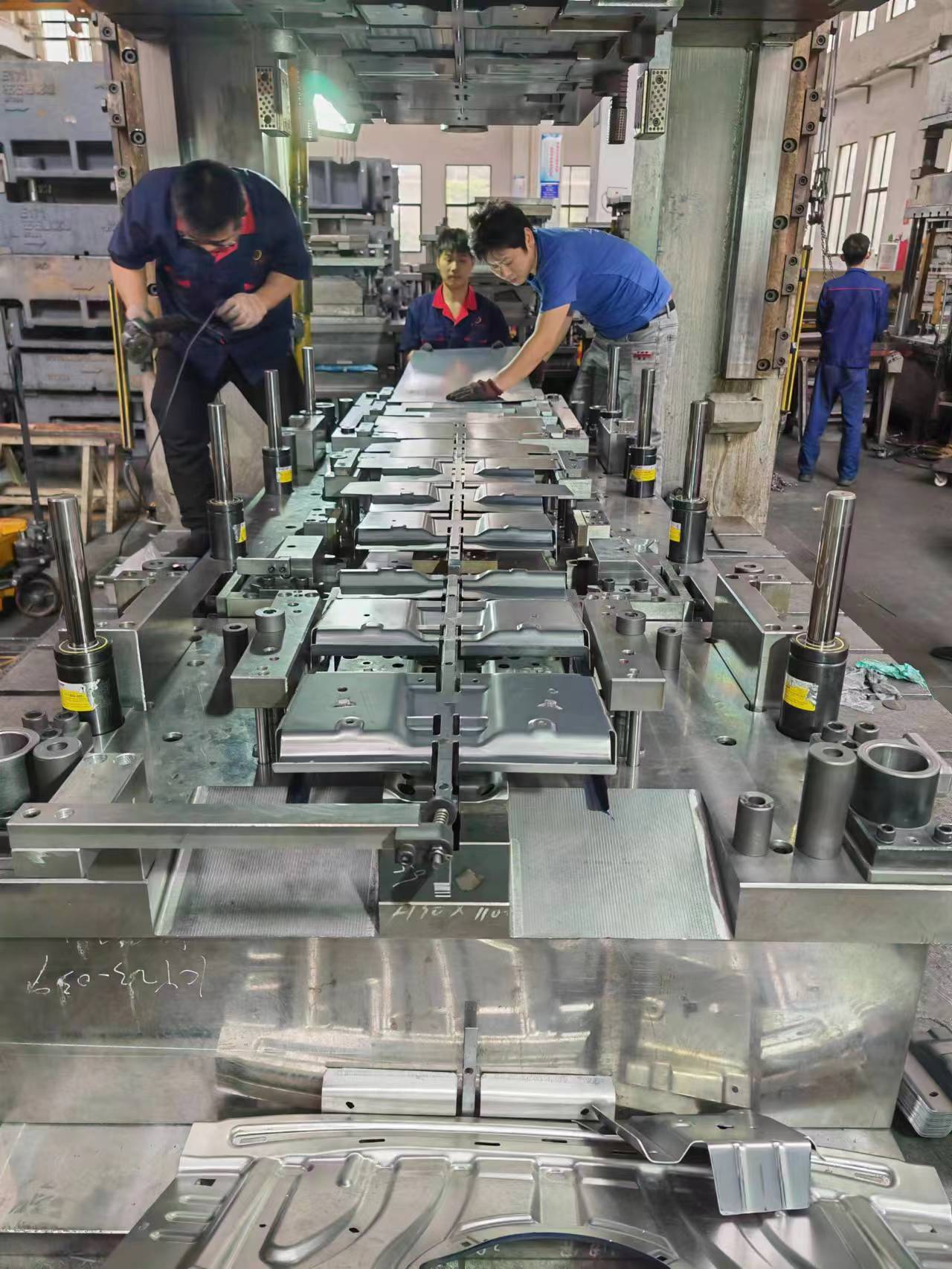
A stamping die is a special tool. It shapes and cuts metal sheets for car parts. In the main design step, engineers look at important parts:
The punch makes the shape in the metal.
The die block has the space for the part’s shape.
The stripper system takes the part off the punch. It uses fixed plates or springs.
Guiding elements like guide pillars and bushings keep everything lined up.
Choosing the right material is very important. Most punches and die blocks use hard tool steels. These are strong and last through many uses. Engineers use computer programs, like Finite Element Analysis (FEA), to see how the metal will act. This helps stop problems like cracking or wrinkling before making the part. Regular care, like sharpening, cleaning, and checking, helps stamping dies last longer.
DASTAMPING is a top company in this area. They make progressive dies, transfer dies, and tandem dies for many car parts. The company’s ISO9001 certification shows they care about quality and accuracy.
Explore DASTAMPING’s Stamping Dies
Discover high-quality stamping tooling solutions tailored for automotive manufacturing. Enhance your production with precision and durability.
Learn More
Note: High-quality stamping dies help every car part meet tough rules for being exact and strong.
Automotive Applications
Stamping dies are very important in making cars. They help make tricky shapes and lots of parts fast. Car makers use different dies, like forming dies for 3D parts, compound dies for many cuts at once, and progressive dies for nonstop work.
In real life, progressive die stamping helps big car companies make engine parts with hard shapes. This way makes parts work better and weigh less. For example, one case showed that using wire-arc additive manufacturing for stamping dies in Toyota Corolla parts saved money and made parts faster, especially for shallow parts.
DASTAMPING’s stamping dies are used in important car systems. These include Body in White, Door Systems, Seating Systems, Instrument Panels, Exhaust Systems, and Chassis Systems. Their smart designs and careful checks help car makers reach higher goals and have fewer problems.
Why Quality Matters
Part Precision
Precision is very important when making cars. High-quality stamping dies help make parts the right size every time. When parts fit well, car makers do not have problems putting cars together. Studies show that using precise pressing makes parts more alike. This means cars have parts that meet strict rules.
For example, new progressive die stamping and good training help workers do better. Using CNC and machines means people do not need to adjust things by hand. Each stamping step follows set rules, so parts are made the same way. Sensors watch for mistakes and let teams fix them fast. This keeps part quality high. One company used CNC-driven stamping and sensors. They made parts 25% more accurate and had less waste. This helped them make good parts and earn trust from customers.
High-quality stamping dies help make parts with tight tolerances, like ±0.01 mm. This makes strong parts and less waste. Good accuracy stops problems when putting cars together and helps car parts work better.
Production Efficiency
Production efficiency shows how well a factory uses time and materials. High-quality stamping dies help factories work faster and make better parts. They also help reduce downtime. The table below shows how high-quality dies help with important factory goals:
| Metric | Description | Impact of High-Quality Stamping Dies |
|---|---|---|
| Availability | Time equipment is running as planned. Downtime from die changes or malfunctions lowers this. | Predictive maintenance and better dies reduce unplanned stops, keeping production on track. |
| Performance | Speed of production lines, including cycle times and loading efficiency. | Real-time monitoring helps lines run at top speed, increasing output. |
| Quality | Number of good parts made compared to total parts produced. | Better dies and tracking systems catch defects early, leading to more good parts and less rework. |
CNC and precision stamping use materials better and make less scrap.
Real-time monitoring and good care lower downtime and repair costs.
Automation and CNC stamping can save big companies up to 20% in costs.
Making parts the same size helps avoid slowdowns and meet deadlines.
Good tooling care makes dies last longer and cuts maintenance by 25%.
High-quality stamping dies help factories work faster and smoother. They let workers stamp parts quickly and make fewer mistakes. These benefits help car makers stay ahead and make products people can trust.
Stamping Die Advantages
Part Quality
High-quality stamping dies help car makers make better parts. These dies shape metal sheets very accurately, so each part looks right. When factories use good quality checks, they find fewer mistakes and more parts are the same.
| Quality Assurance Methodology | Improvement Metric | Quantified Result |
|---|---|---|
| Six Sigma DMAIC | Defect rate reduction | From 3.2% down to 0.08% |
| Statistical Process Control (SPC) | Defect rate reduction | 78% reduction in defects after root cause addressed |
| Continuous Improvement Methodologies | Annual quality improvement rate | Average 22% improvement per year |
| Structured Documentation System | Defect rate reduction | 62% reduction in defect rates within six months |
| SPC Process Stability | Variation reduction | 40-60% reduction in process variation |
| Production Speed Increase (Six Sigma) | Production speed improvement | 12% increase alongside defect reduction |
These results show that good dies and strong quality checks work well together. Factories using high-quality stamping dies have fewer mistakes, more steady work, and faster lines. Car makers earn trust because their parts always meet tough rules.
Tool Life
Long tool life means factories spend less on fixing or buying new tools. High-quality stamping dies last longer because they use strong metals and special coatings. Tool wear happens in three steps: break-in, steady wear, and failure. If factories know these steps, they can plan repairs and stop sudden problems.
Studies show that making the die coating much harder than the base metal helps tools last longer. When the hardness ratio goes from 3 to 8, the die wears out slower and keeps its coating. This means less rubbing and fewer issues when stamping. In one case, using vacuum furnace pressing and TiAlN PVD coatings made dies last over 100 times longer. These new ideas help car makers keep working and save money.
Downtime Reduction
Downtime makes work slow and costs more money. High-quality stamping dies help stop these problems. Tonnage monitoring systems find overloads early, so teams can fix things before machines stop. Predictive maintenance tools watch for wear and warn workers before something breaks. This keeps lines running and stops surprise shutdowns.
Multicavity dies let factories make many parts at once. This cuts cycle times and makes more parts. It also means less time changing dies between jobs. Quick Die Change (QDC) systems help teams switch dies fast. With QDC, a die can be changed in minutes, not hours. This means faster restarts, smoother work, and lower labor costs. Factories using these tools have less downtime and finish more parts each day.
Tip: Buying better die change and monitoring tools can make factories work better and keep lines moving.
Cost Savings
High-quality stamping dies help save money in many ways. Strong materials and coatings mean dies need fewer repairs. Special die designs, like multi-stage dies, do more steps at once. This means fewer tools and faster work.
Automation and smart dies with sensors help teams find problems early and plan repairs.
Additive manufacturing lets factories make tricky die shapes and get them faster.
These new ideas make dies last longer, work better, and save money.
Factories that buy high-quality stamping dies and take care of them see longer tool life, less downtime, and steady part quality. Using better materials and smart designs means less wear and fewer new tools needed. Automation and predictive maintenance save on labor and stop breakdowns. Process improvements, like simulation and finite element analysis, cut waste and test costs. Energy-saving presses lower power bills. Training workers helps them do better and make fewer mistakes. Good supply chain management keeps material costs low and makes sure work stays on time.
Note: Many studies show that high-quality tools and better stamping systems cut waste, cycle time, and energy use. These changes help save money and protect the environment.
Drawbacks
Upfront Cost
Buying high-quality dies costs a lot at first. Companies need to pay for both a punch and a die, so the price goes up. If they want custom dies, it costs even more money. Keeping the tools working and making changes also adds to the cost over time. Many companies think the high starting price is the hardest part when they start a new project.
Companies pay a lot at first, but this can help them save money later by working faster and wasting less.
Studies show steel dies cost more at the start, but they last longer and stay sharp. This helps companies save money as time goes on. If one machine does many steps, it can lower costs even more. Custom dies need more money at first, but they help make less scrap and stop work from slowing down. When companies make lots of parts, even small changes can save a lot of money over time.
Die stamping needs a big payment for hard tools.
Both punch and die are needed, so costs go up.
Custom dies make the starting price higher.
Fixing and changing tools adds to the cost.
Old dies can be cheaper, but they do not always work.
Lead Time
It takes a long time to make high-quality dies. First, people plan and design the die carefully. Engineers pick the right materials and test the shape with computers. After that, skilled workers use special machines to make the die. Each step takes time and must be done right.
Long wait times can slow down new projects. If a company wants to start a new car fast, waiting for a custom die can cause delays. If the design changes, it can take even longer. Companies need to plan early and talk with die makers to finish on time.
Planning for long wait times helps companies avoid delays and finish projects when they should.
Over-Specification
Sometimes, companies ask for more features than they really need. This is called over-specification. It makes dies harder to make and costs more money. Over-specification happens when companies want to use new materials or make very detailed parts. Strong steel or aluminum needs more complex dies. New technology lets companies make detailed designs, but it also costs more.
The table below shows how asking for too much can change production:
| Aspect | Evidence Summary |
|---|---|
| High Initial Costs | Precision dies cost more to buy, set up, and keep working. |
| Skilled Labor Requirement | Special dies need workers with special skills, which costs more and makes hiring harder. |
| Over-specification Impact | More complex dies for new materials and designs raise costs for materials, making, and labor. |
| Market Restraint | High costs and not enough skilled workers make it hard for small companies to use these dies. |
| Production Cost Effect | Higher costs from over-specification push companies to find new ways to save money. |
Using new materials and technology means companies need more exact dies. This makes costs go up and makes it harder for small companies to keep up. Over-specification can also slow down work and make it tough to find the right workers.
Low-Volume Risks
High-quality dies are best when making lots of parts. If a company only needs a few parts, the high cost may not be worth it. The price for each part gets very high if they do not make many. Companies making custom or special cars have this problem a lot.
For small projects, companies may not get their money back from buying the die. They might also wait longer and face more problems if the design changes after the die is made. In these cases, using soft tooling or additive manufacturing might be better.
Companies should make sure their die spending matches how many parts they need so they do not waste money on small projects.
Pros vs. Cons Table
When picking high-quality dies, companies must think about many things. People who make decisions need to see the good and bad sides. The table below shows the main pros and cons. It helps car makers see what they gain and what they might lose.
| Pros | Cons |
|---|---|
| Superior part quality | High upfront cost |
| Longer tool life | Longer lead time |
| Reduced downtime | Risk of over-specification |
| Lower scrap and waste | Not ideal for low-volume production |
| Improved production efficiency | Requires skilled labor |
| Consistent part precision | Potential for design change delays |
| Cost savings over long-term | Higher maintenance planning needed |
Tip: Car makers should look at this table before starting new work. Each pro can help make better cars and smoother work. Each con can change how much money and time is needed.
Key Takeaways:
Superior part quality means fewer mistakes and happier buyers.
Longer tool life means less buying new tools.
Reduced downtime keeps the factory running.
Lower scrap means saving money on materials.
Improved efficiency helps make more cars faster.
But, companies must be ready to pay more at first and wait longer. Over-specification can make things cost more without real need. Making only a few parts may not be worth the price. Skilled workers and good planning are very important.
If car makers know these things, they can make better choices. They can spend money on dies that fit their needs and goals.
Decision Factors
Volume Needs
How many parts a company makes affects if high-quality stamping dies are worth it. Companies making thousands or millions of parts get the most value. When they make lots of parts, the cost of the die is shared. This makes each part cheaper. If a factory only makes a few parts, the high starting cost may not be worth it. For small jobs or testing new ideas, soft tooling or additive manufacturing might work better.
Tip: Companies should pick dies that match how many parts they plan to make. Big projects get the most from strong and accurate dies.
Cost Analysis
Cost analysis helps companies see if buying a stamping die is smart. Many use computer tools and models to check all the costs. These tools show costs for materials, workers, and tools. They also help compare designs and find ways to save money. Some important models and facts are:
A University of Michigan study found fixing stamping dies can cost $25,000 to $125,000 each time, depending on how hard the part is to make.
Digital manufacturing simulation makes a computer copy of the part. This helps teams see costs and problems before making the die.
aPriori software and should cost models help engineers guess costs fast, so they can finish products sooner.
Life cycle cost, net present value (NPV), and return on investment (ROI) help compare the good and bad over time.
Companies like TE Connectivity and GE Appliances use these models to save money and work better with their suppliers.
| Cost Metric | What It Measures | Why It Matters |
|---|---|---|
| Life Cycle Cost | Total cost from start to finish | Shows true long-term investment value |
| ROI | Return compared to initial cost | Helps judge if the die is worth it |
| Cost Variance | Difference between planned and real cost | Tracks project control |
| Should Cost Modeling | Predicted cost based on design | Aids in negotiation and design choice |
Quality Standards
Meeting tough quality standards is very important in car making. High-quality stamping dies help companies make parts that fit tight rules and pass hard tests. Studies show that controlling blank-holder pressure and using special computer tools like PAM-STAMP 2G make parts better. These tools let engineers check designs early, fix springback, and keep parts within limits. Good tooling design and die care also help keep parts right for a long time.
Modern presses with multi-point pressure control help stop problems like wrinkling and tearing. Simulation software lets teams find mistakes before making the die, which saves time and money. Companies that focus on die quality meet industry rules more easily and do not have to redo work.
Companies with tricky or very exact needs should look at custom solutions from skilled providers like DASTAMPING. Their knowledge in advanced die design and process control helps meet strict quality goals and keeps success going for a long time.
Buying a high-quality stamping die helps make better parts. It also makes the tool last longer and helps work go faster. But companies have to pay more at the start and wait longer to get the die. Each company should think about what it needs and what it wants to do before choosing. Talking to experts like DASTAMPING can help find the best answer. The next steps are to look at the costs and benefits or ask for expert help.
FAQ
What is a progressive die in automotive stamping?
A progressive die does many jobs in one press cycle. The metal strip moves through different stations. Each station shapes or cuts the part. This makes work faster and keeps quality the same for lots of parts.
How does a high-quality stamping die reduce production costs?
High-quality dies last longer and break less often. They help make more parts with less waste. Factories spend less on materials, workers, and fixing machines. Over time, these savings are bigger than the higher starting cost.
Why do automotive manufacturers choose custom stamping dies?
Custom dies match special part designs and tough quality rules. They help make tricky shapes and meet industry needs. Custom dies also help work go faster and lower the chance of mistakes.
How long does it take to manufacture a stamping die?
Making a stamping die takes a few weeks. The steps are design, picking materials, machining, and testing. Planning early and talking clearly with the die maker helps stop delays.
What certifications should a stamping die supplier have?
A good supplier should have ISO9001 certification. This means they follow strong quality rules. Certification helps make sure products are always good and meet car industry standards.